
Defapi
Defapi is an enterprise-grade AI model orchestration platform that provides developers unified access to leading AI models (OpenAI, Anthropic, Google, and more) with intelligent routing, load balancing, usage monitoring, and enterprise-grade security.
Defapi is developer tools software teams evaluate for developer tools. Use this page to review pricing, integration signals, and the best alternatives before you commit.
Profile facts come from the vendor source. AiMatch labels unknown pricing or API details instead of estimating them.
Review official source →Used in These Packs
Quick Overview
Best for: Developer Tools
What it does
Developer Tools software for decision-makers comparing workflow fit and alternatives.
Best fit
Developer Tools
Pricing snapshot
Paid from Pay-per-use; rates vary by selected model (transparent per-model rates and usage analytics are provided).
Next step
Compare Defapi with similar tools before you shortlist it.
Compare this tool before you shortlist it
Review alternatives, pricing posture, and workflow fit side by side.
Defapi is described as an enterprise-grade AI model orchestration and intelligent scheduling platform that provides developers unified access to top-tier AI models from global providers. It centralizes integration with vendors such as OpenAI, Anthropic, and Google and offers features intended for production use: intelligent routing and load balancing, enterprise-grade security, real-time monitoring, multi-region deployment, and developer SDKs. The platform targets developers, startups, and enterprise teams who need a single interface to manage multiple models, optimize cost and performance, and apply security and compliance controls across AI usage.
Defapi is an enterprise-grade AI model orchestration platform that provides developers unified access to leading AI models (OpenAI, Anthropic, Google, and more) with intelligent routing, load balancing, usage monitoring, and enterprise-grade security.
Own this listing?
Claim this page for a one-time $29 to add pricing, features, screenshots, verified owner details, and a clearly labeled 30-day category position after the profile is live.
Claim this listing for $29Key Features
Unified API
A single API that eliminates the need to integrate with multiple AI vendors, providing a unified calling interface to varied models.
Intelligent routing & load balancing
Automatically routes requests to the most cost-effective or appropriate model and performs intelligent scheduling and load balancing across models.
Enterprise-grade security
Security controls including encryption, access controls, and compliance features intended for enterprise usage.
Real-time monitoring & analytics
Provides detailed usage statistics and performance monitoring for visibility into AI consumption and behavior.
Global, multi-region deployment
Supports deployment across multiple regions worldwide for lower latency and geographic coverage.
SDKs & documentation
Developer-focused SDKs and comprehensive documentation to accelerate integration and development.
Pricing
Pay-as-you-go
Pay-per-use; rates vary by selected model (transparent per-model rates and usage analytics are provided).- Transparent pay-per-use pricing
- Detailed usage analytics
Use Cases
Multi-vendor model orchestration for enterprises
Enterprises can implement a multi-model strategy, unify model management, and apply intelligent scheduling and security auditing across providers.
Cost-optimized AI workloads
Automatically route requests to cost-effective models to reduce AI spend while maintaining quality for production workloads.
Developer and product acceleration
Individual developers and startups can access a library of models and SDKs to build and launch AI-powered applications quickly.
Integrations
OpenAI
Provides access to OpenAI models (examples listed such as GPT-5.6 family).
Anthropic
Includes Anthropic models (e.g., Claude Fable 5, Claude Opus 4.8) through the unified platform.
Google / Google DeepMind
Integrates Google/DeepMind models for tasks like image generation and editing (e.g., Nano Banana 2 Lite).
Benefits
Limitations
No verified limitations are available.
Frequently Asked Questions
What exactly is Defapi?
How do I get started with Defapi?
How does Defapi pricing work?
Is Defapi secure for enterprise use?
What kind of support does Defapi provide?
Which AI models are available through Defapi?
Getting Started
- 1 Register for a Defapi account.
- 2 Obtain your Defapi API key.
- 3 Select the appropriate AI model from the model catalog.
- 4 Start making API calls through the Defapi unified interface using SDKs or direct API requests.
Support
Documentation
Comprehensive documentation and SDKs available to guide integration (site states 'comprehensive SDKs and documentation').
Community
Community channels such as Telegram are available (page references 'Join Our CommunityTelegram').
Premium technical support
Premium technical support is offered for enterprise customers.
API
Comprehensive SDKs and documentation are provided on the site (no direct doc URL listed on the supplied content).
Compare Defapi with similar tools
See how it stacks up against alternatives
Related Tools
View all 137 →
Copperhead
Copperhead is an open-source AI engineering platform and CLI that helps hardware teams design, verify, and ship printed circuit boards by editing KiCad files, running KiCad checks (ERC/DRC), and producing gerbers, firmware, and documentation in a gated, auditable pipeline.

Docs.dev Your Own Hosted Docs Platform in Minutes
Docs.dev is a deployable documentation template that runs as a Cloudflare Worker in your account, using your GitHub repo as the source of truth and agent-powered drafting (e.g., Claude Code or Codex) to generate reviewable docs branches that your team publishes via commit.

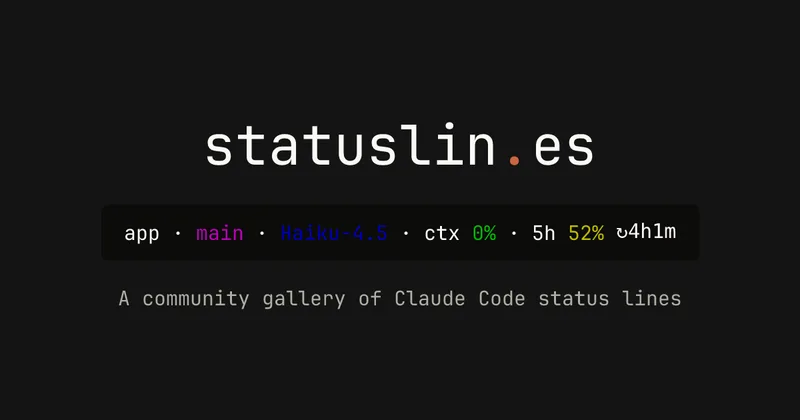
statuslin.es
statuslin.es is a community gallery of Claude Code status lines—copyable, previewed scripts and themes for terminal/status-bar displays that show Claude model stats (tokens, cost, limits), git info, and other runtime metrics.

Bullet · Fast, by design.
Bullet is a fast coding agent and developer tool that routes, searches, and executes code-focused tasks with a tight loop to minimize latency — offered as a macOS download and currently available in private beta.

Budget-Friendly Alternatives
Copperhead
Copperhead is an open-source AI engineering platform and CLI that helps hardware teams design, verify, and ship printed circuit boards by editing KiCad files, running KiCad checks (ERC/DRC), and producing gerbers, firmware, and documentation in a gated, auditable pipeline.
Docs.dev Your Own Hosted Docs Platform in Minutes
Docs.dev is a deployable documentation template that runs as a Cloudflare Worker in your account, using your GitHub repo as the source of truth and agent-powered drafting (e.g., Claude Code or Codex) to generate reviewable docs branches that your team publishes via commit.
Bullet · Fast, by design.
Bullet is a fast coding agent and developer tool that routes, searches, and executes code-focused tasks with a tight loop to minimize latency — offered as a macOS download and currently available in private beta.


Sign in with your ChatGPT account for free AI
Sign in with ChatGPT lets developers add ChatGPT account authentication to web apps so users can access OpenAI AI capabilities (works across free and paid ChatGPT accounts). It provides React components and helper methods to obtain encrypted, locally stored credentials and call the AI SDK from the signed-in account.