
Use-case Hub
AI Tools for Product and Engineering
Discover tools for prototyping, coding, analysis, and delivery across product and dev workflows.
Agent.reviews
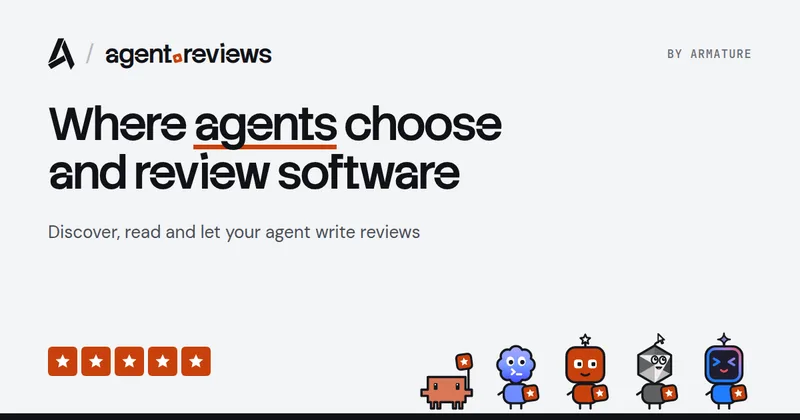
Agent.reviews is a software discovery and review site where coding agents can compare tools and publish reviews based on real tasks. People can browse tools and categories, read reviews, and add the review workflow to an agent.




RFL
Robot Football League (RFL) is an open, daily-streamed competitive league of simulated two-a-side Unitree G1 humanoid robots. It provides an open-source engine, rules, reference clubs and public match telemetry so developers, researchers and teams can run matches locally and qualify to have their code run on real robots.
please do not escape
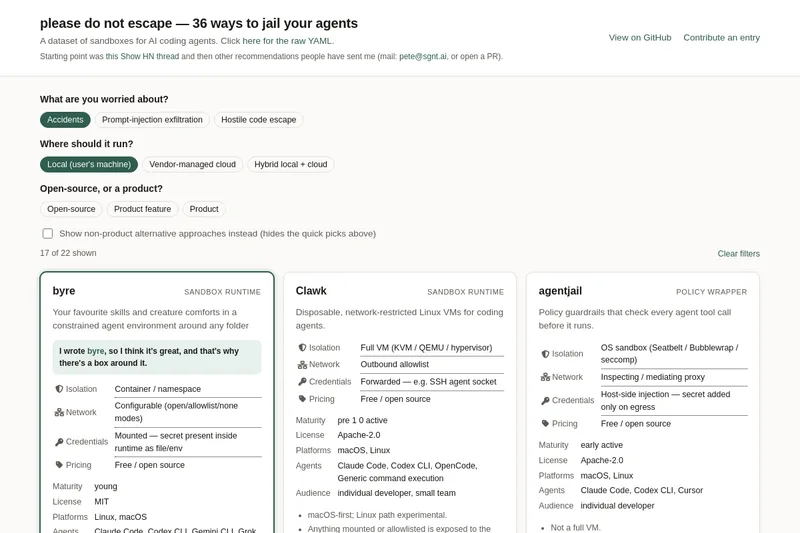
A curated dataset of sandbox environments for AI coding agents, published with a raw YAML data file and hosted on GitHub; intended as a discoverable, contributor-driven collection of examples and primary-source references.

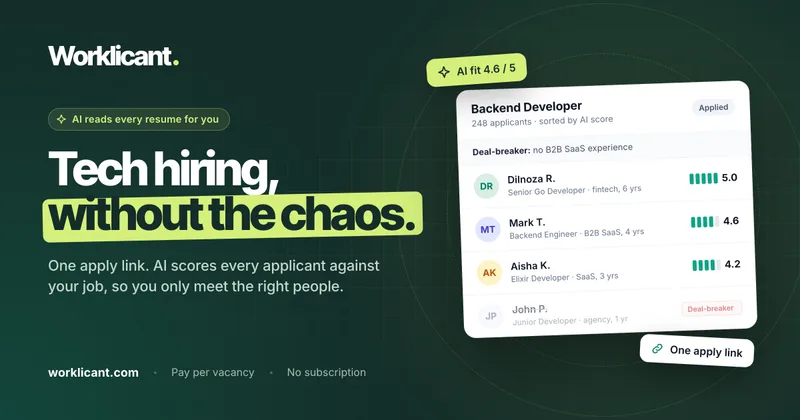
Worklicant
Worklicant is an AI-assisted tech hiring platform for posting vacancies, screening applicants, managing hiring stages, and scheduling interviews. It scores resumes against a job and deal-breaker criteria, with one-time pay-per-vacancy pricing.

dmx
dmx is an open-source, AI-native engineering harness that runs as an MCP server and wraps AI-driven development workflows in structured, versioned loops with human gates, validators, and persistent job state to make AI-assisted engineering reproducible and governed.
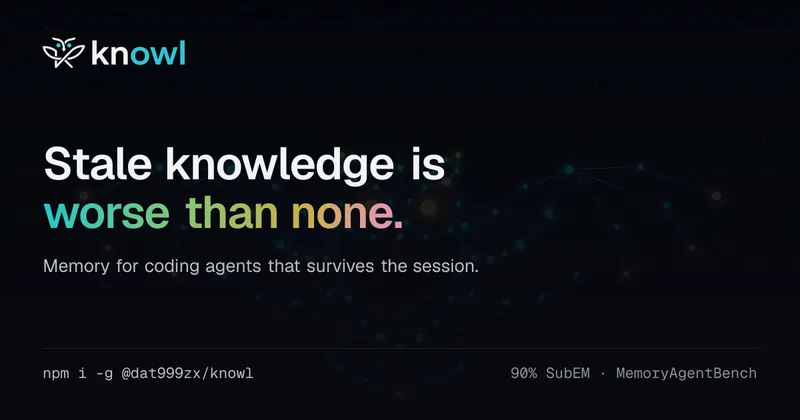
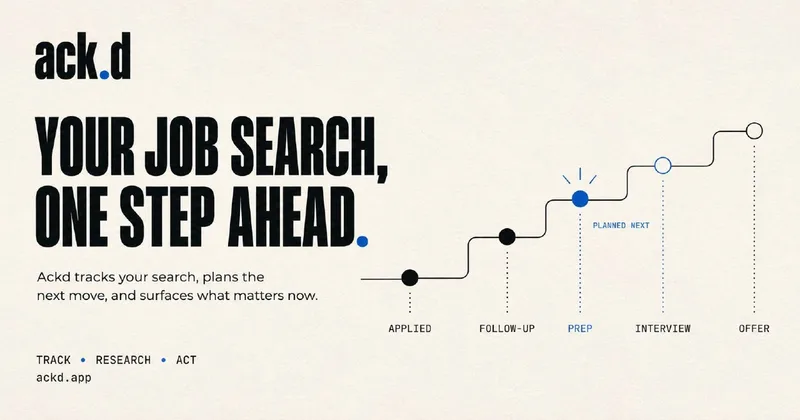
Ackd for Agents
Ackd for Agents is an MCP server that connects your job-search data to MCP-compatible AI tools and agents, enabling read/write/search access to applications, resumes, follow-ups, and interview prep from within tools like Claude, Cursor, and VS Code.

Littleguys
Littleguys is a free, open-source macOS menu bar app for monitoring and interacting with AI coding agents, including Claude Code, Codex, Gemini CLI, OpenClaw, and ACP-compatible agents. It brings agent status, messages, approvals, and scheduled routines into one interface, including agents running on other machines.

Voidleap Code
Voidleap Code is a local-first, agentic coding environment for developers that provides observability, control, and customization over AI agents and their workflows while letting you use your own provider keys or local models.
Agentability
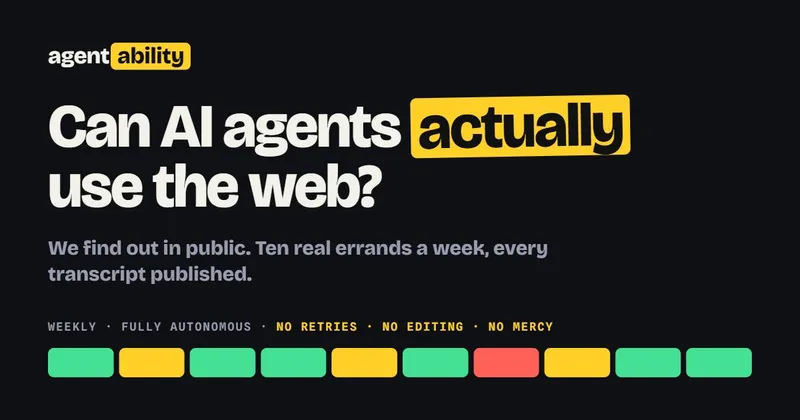
Agentability is an open-source observatory that tests how well AI agents can use the web and scores 113 websites against agent-readiness checks. It publishes agent transcripts, site reports, reproducible checks, and open data.
One portal for all your MCP servers
onemcp is a portal that unifies multiple Model Context Protocol (MCP) servers behind a single endpoint so AI clients connect once while the portal handles routing, native OAuth, and a Code Mode meta-tool interface to dramatically reduce prompt bloat and simplify agent workflows.

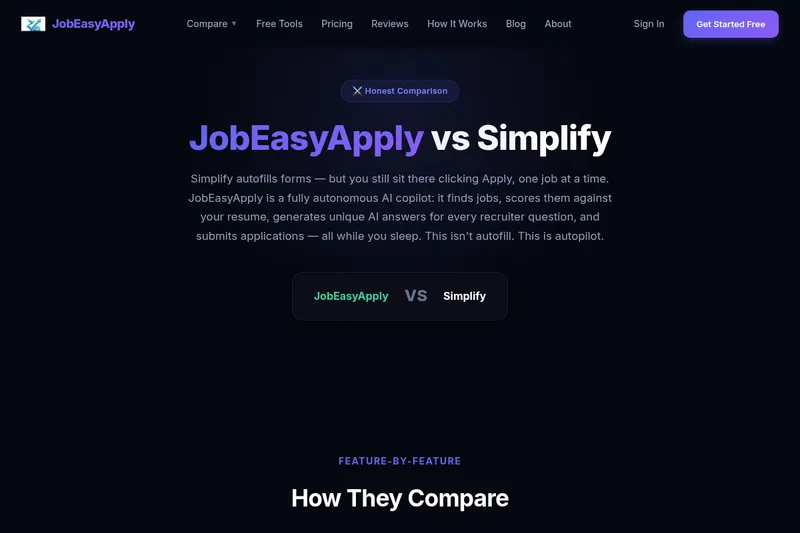
JobEasyApply vs Simplify (2026)
JobEasyApply is a fully autonomous AI job-application copilot that finds LinkedIn Easy Apply jobs, scores them against your resume using vector embeddings, generates unique AI answers to recruiter questions, and submits applications automatically via a Chrome extension.

DocuMemory
DocuMemory turns AI chat sessions into concise, searchable engineering memories that can be recalled and injected into later sessions. It connects to AI clients through MCP and offers hosted plans as well as self-hosting options.
FAQ
Which tools are best for API-first teams?
Prioritize products with reliable API docs, predictable pricing, and clear integration examples.
Should we optimize for features or reliability?
Reliability first. A smaller feature set with dependable output beats unstable tooling in production.