

xmcp
xmcp is an open-source TypeScript framework for building and shipping MCP (Model Context Protocol) servers that discover and expose tools, prompts, and resources from your project so developers can quickly ship AI-enabled tool APIs and agent integrations.
xmcp is framework software teams evaluate for developer tools. Use this page to review pricing, integration signals, and the best alternatives before you commit.
Profile facts come from the vendor source. AiMatch labels unknown pricing or API details instead of estimating them.
Review official source →Used in These Packs
Quick Overview
Best for: Developer Tools
What it does
Framework software for decision-makers comparing workflow fit and alternatives.
Best fit
Developer Tools
Pricing snapshot
Contact for pricing
Next step
Compare xmcp with similar tools before you shortlist it.
Compare this tool before you shortlist it
Review alternatives, pricing posture, and workflow fit side by side.
xmcp is a TypeScript framework for building and shipping MCP (Model Context Protocol) servers. It handles common boilerplate for defining tools, resources, and prompts by auto-discovering them from the project file system so developers can focus on business logic and ship AI tools quickly. The framework supports multiple transports (HTTP and STDIO), middleware (authentication, logging), adapters for popular Node frameworks (Next.js, Express, Fastify, NestJS), and deployment targets such as Vercel, Cloudflare, Replit, and ALPIC. xmcp is open source and maintained at github.com/basementstudio/xmcp.
An open-source framework designed to streamline development and deployment of powerful tools on the Model Context Protocol ecosystem, with a focus on developer experience.
Own this listing?
Claim this page for a one-time $29 to add pricing, features, screenshots, verified owner details, and a clearly labeled 30-day category position after the profile is live.
Claim this listing for $29Key Features
File System Routing & Auto-discovery
Automatically register tools, prompts, and resources from src/tools, src/prompts, and src/resources with zero manual registration.
Multiple Transport Support
Supports HTTP and STDIO transports out of the box; HTTP is stateless and suits remote/serverless deployments while STDIO is typical for local clients.
Middlewares
Add authentication, logging, or custom logic to intercept and process requests and responses; ships middleware for API key and JWT authentication.
Extensible Configuration
Customize server behavior via xmcp.config.ts (HTTP port, host, endpoint, CORS, etc.).
Framework Adapters
Adapters for Next.js, Express, Fastify, and NestJS to integrate xmcp into existing applications or run standalone.
Monetization & Auth Integrations
Integrations for monetization (Polar, x402 for pay-per-call USDC payments) and authentication providers (Better Auth, Auth0, Clerk, Scalekit, WorkOS).
Scaffolding & DX
Project scaffolding via `npx create-xmcp-app@latest` and tool scaffolding `xmcp create tool` for fast setup and developer experience.
Pricing
Current pricing details are not available from the vendor source.
Use Cases
Expose LLM-callable tools and actions
Define functions (tools) that LLMs can call to perform actions or fetch data, discovered automatically from your project.
Build agent-facing MCP servers
Create MCP servers that agents and LLMs can query via HTTP or local STDIO transports for tool calls and resources.
Integrate MCP into existing web apps
Add an MCP server to Next.js, Express, Fastify, or NestJS applications to provide AI tool endpoints without rearchitecting the app.
Monetize tool usage
Gate tools behind license-key based monetization (Polar) or pay-per-call micropayments (x402/USDC on Base) as described in the docs.
Integrations
Better Auth
Integration for secure authentication (listed as an integration for secure access).
Polar
Integration for license-key based monetization of MCP tools.
x402 (USDC on Base)
Pay-per-call micropayments integration to charge per tool call using USDC on Base.
Auth0, Clerk, Scalekit, WorkOS
Supported authentication providers and adapters for different auth workflows.
Next.js, Express, Fastify, NestJS
Framework adapters to plug xmcp into existing Node.js applications or run standalone.
Vercel, Cloudflare, Replit, ALPIC
Documented deployment targets; HTTP transport runs on any Node-compatible host and Vercel is supported with zero configuration.
Benefits
Limitations
Frequently Asked Questions
What is xmcp?
How do I create a new xmcp project?
What are tools, resources, and prompts in xmcp?
How do I define a tool in xmcp?
What transports does xmcp support?
Is xmcp open source?
Can I charge for my MCP tools?
Getting Started
- 1 Step 1: Scaffold a new project with `npx create-xmcp-app@latest` and follow the interactive prompts.
- 2 Step 2: Configure your environment via xmcp.config.ts (example shows HTTP port, host, endpoint, and CORS).
- 3 Step 3: Add tools, prompts, and resources in src/tools, src/prompts, and src/resources (examples provided) and run or deploy (example uses Vercel CLI).
Support
docs
Primary documentation and guides are available on the official site: https://xmcp.dev/
github
Source repository, issues, and contributions: https://github.com/basementstudio/xmcp
community
Community channels (X, Discord) and package links are listed on the site (labels: NPM, GitHub, X, Discord).
API
Documentation and examples for transports, configuration, and tools are available at https://xmcp.dev/
Compare xmcp with similar tools
See how it stacks up against alternatives
Related Tools
View all 148 →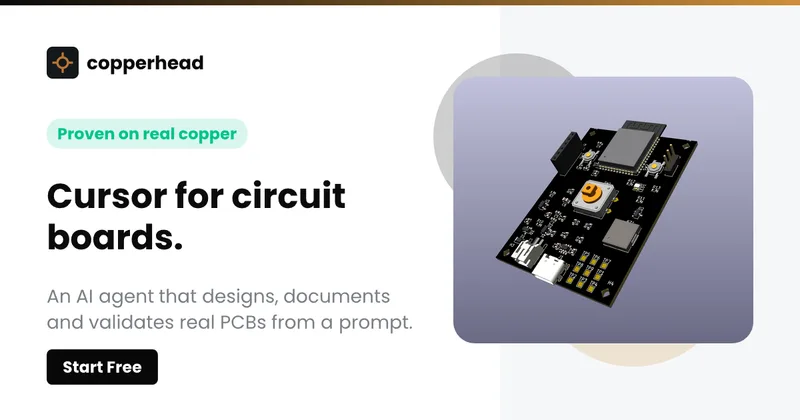
Copperhead
Copperhead is an open-source AI engineering platform and CLI that helps hardware teams design, verify, and ship printed circuit boards by editing KiCad files, running KiCad checks (ERC/DRC), and producing gerbers, firmware, and documentation in a gated, auditable pipeline.


Docs.dev Your Own Hosted Docs Platform in Minutes
Docs.dev is a deployable documentation template that runs as a Cloudflare Worker in your account, using your GitHub repo as the source of truth and agent-powered drafting (e.g., Claude Code or Codex) to generate reviewable docs branches that your team publishes via commit.

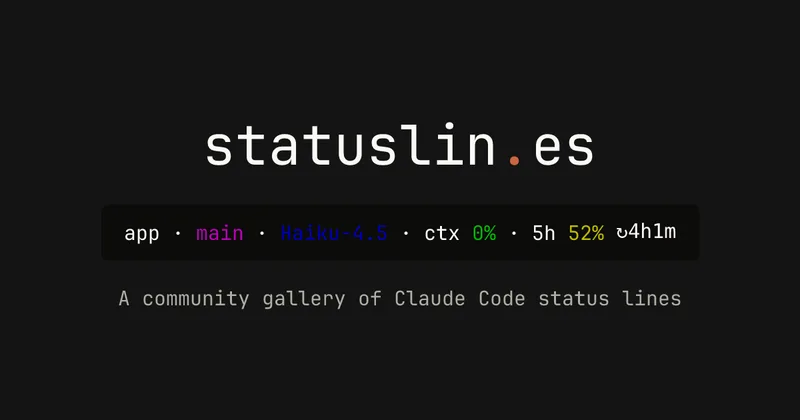
statuslin.es
statuslin.es is a community gallery of Claude Code status lines—copyable, previewed scripts and themes for terminal/status-bar displays that show Claude model stats (tokens, cost, limits), git info, and other runtime metrics.

Bullet · Fast, by design.
Bullet is a fast coding agent and developer tool that routes, searches, and executes code-focused tasks with a tight loop to minimize latency — offered as a macOS download and currently available in private beta.

Premium Alternatives
%22%2F%3E%20%3Ctext%20x%3D%2250%25%22%20y%3D%2250%25%22%20dominant-baseline%3D%22central%22%20text-anchor%3D%22middle%22%20font-family%3D%22system-ui%2C-apple-system%2Csans-serif%22%20font-weight%3D%22700%22%20font-size%3D%2250%22%20fill%3D%22white%22%3EO%3C%2Ftext%3E%20%3C%2Fsvg%3E)
OTP Inspired actor supervisor based full stack templates
ShipStacks provides production-grade, OTP-inspired full-stack SaaS templates that include supervisors/actor patterns, auth, payments, uploads, AI chat and agent playbooks, and Docker-ready deployment in multiple languages and frameworks.
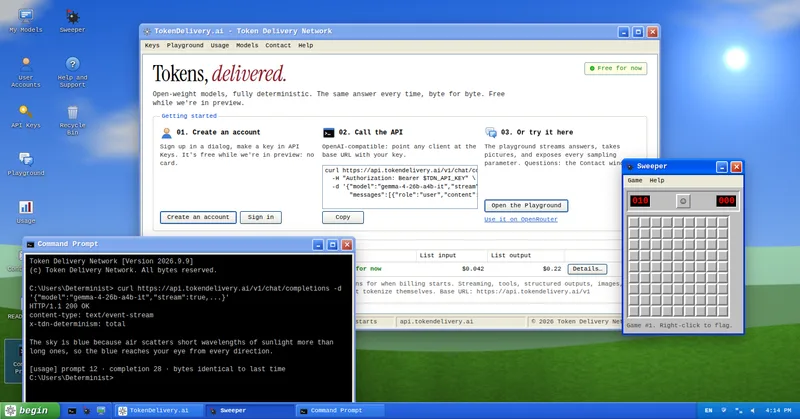
TokenDelivery.ai
TokenDelivery.ai (Token Delivery Network) is an OpenAI-compatible model API and playground that offers reproducible, deterministic model outputs, streaming responses, multimodal inputs (images and short videos), and exposed sampling parameters. It is free during preview and provides API keys, a playground, and a documented base URL for developers.

Servers for AI, not another AWS
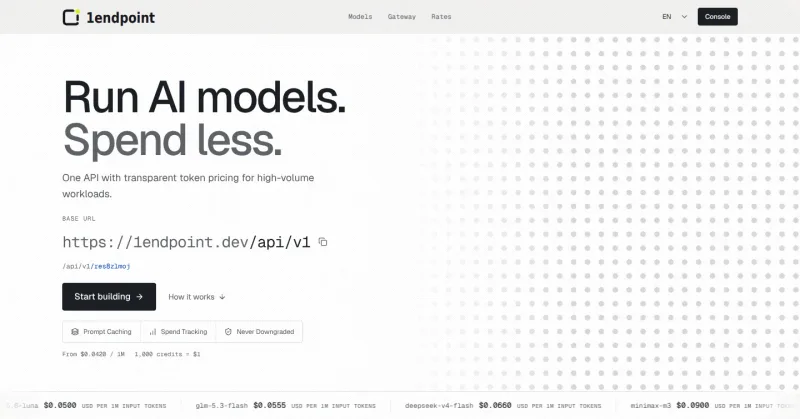
RAW offers dedicated GPU and CPU servers specifically built for AI workloads — provision real metal with root access and CUDA via a single API. It emphasizes low cost (claims up to 100× cheaper than AWS), $0 egress, fast provisioning, and enterprise features for inference, training, agents, and vector databases.

MacVisor Runs VMs with VLANs and Firewall on Apple Silicon
MacVisor is a native Apple Silicon virtualization platform for running and managing macOS and Linux VMs, with Windows 11 and AI sandboxes available as Tech Previews. It includes snapshots, templates, VLAN networking, host-enforced firewall controls, and CLI automation.
wrapfast
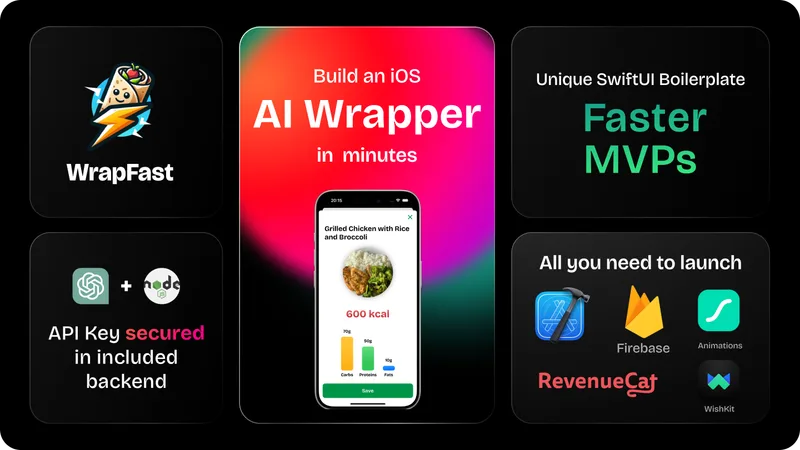
WrapFast is a SwiftUI boilerplate and starter kit for building iOS apps and AI wrappers quickly. It includes an Xcode SwiftUI project, a Node.js Express backend to secure AI API keys, AI integrations (OpenAI & Anthropic), monetization flows, cloud database support, documentation, and a Discord community aimed at indie makers and solo founders.